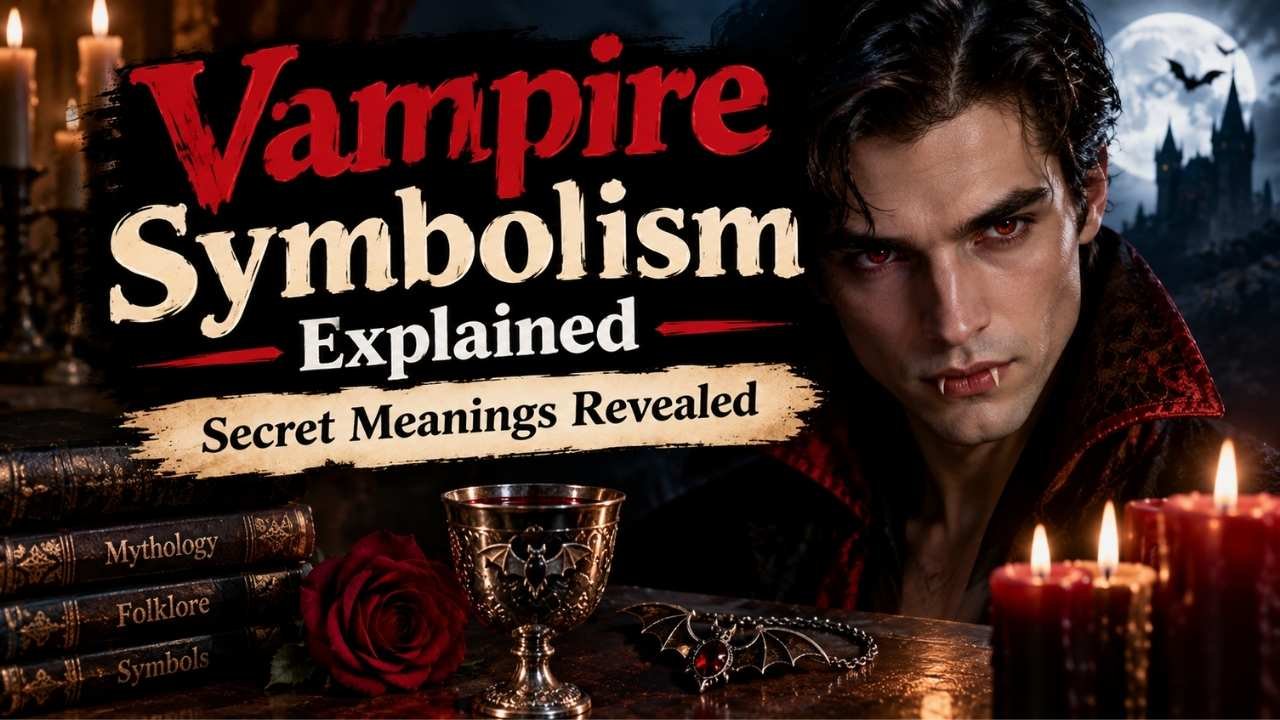
Vampire symbolism goes far beyond stories about mysterious creatures that live in the darkness. Throughout history, vampires have represented deep human fears, desires, and questions about life, death, and transformation.
The meaning of vampires can be understood through mythology, psychology, spirituality, literature, and popular culture. Many people see vampires as symbols of immortality, temptation, hidden emotions, power, and change.
From ancient folklore to modern movies and novels, the symbolism of vampires continues to attract people because it reflects different parts of human nature. In this guide, we will explore the spiritual meaning of vampires, their psychological interpretations, cultural importance, and the hidden messages behind these fascinating figures.
Quick Answer
Vampire symbolism represents deeper ideas such as immortality, transformation, temptation, fear, desire, and hidden human emotions. Across mythology, literature, and culture, vampires symbolize the struggle between life and death, power and control, and darkness and self-discovery. Their meaning can also reflect spiritual growth, psychological conflicts, and personal transformation.
What Does Vampire Symbolism Mean?
Vampire symbolism refers to the deeper meanings connected with vampires beyond their image as frightening creatures. The meaning of vampires often represents ideas like immortality, transformation, temptation, fear, and hidden desires. Throughout history, vampires have been used as symbols to explain human emotions, struggles, and mysteries about life and death.
The symbolism of vampires can show both positive and negative qualities, such as strength, independence, danger, and emotional weakness. In myths and stories, vampires often represent the unknown parts of human nature that people may fear or try to understand. Whether viewed through culture, psychology, or spirituality, vampire symbolism continues to fascinate people because it reflects powerful human experiences and emotions.
The Historical Origins of Vampire Symbolism
The roots of vampire mythology and vampire folklore go back centuries, with many cultures sharing stories about beings that return from the dead. Early vampire legends were often connected to fears about illness, death, and unexplained events. In Eastern European traditions, vampires were believed to be supernatural beings that survived by taking the life energy of others.
Over time, these stories developed into powerful symbols of fear, survival, and the mystery of life after death. The cultural symbolism of vampires changed as writers and filmmakers created new versions of these creatures. From ancient folklore to modern fiction, vampires became symbols of human fears, desires, and the search for eternal life.
What Do Vampires Symbolize Spiritually?
The spiritual meaning of vampires is often connected with ideas of energy, change, and personal growth. Many symbolic interpretations view vampires as representations of emotional struggles, hidden fears, or situations that drain a person’s energy. The idea of a vampire taking life force can represent relationships, habits, or thoughts that make someone feel exhausted.
At the same time, vampire spiritual symbolism can also represent transformation and self-discovery. Like many dark symbols, vampires can remind people to face their hidden emotions and understand themselves better. Some interpretations connect vampires with the balance between darkness and light, showing that personal growth often comes from accepting every part of oneself.
Vampire Symbolism and the Meaning of Immortality
One of the strongest themes connected with vampire symbolism is immortality. Vampires are often shown as beings that escape normal human limits by living forever. This idea represents the human desire to overcome aging, death, and the fear of losing life. However, immortality symbolism also carries a deeper message because eternal life is often shown as both a gift and a burden.
Many vampire stories explore loneliness, isolation, and the cost of living forever. The meaning of vampires in this context reflects humanity’s curiosity about time, survival, and what it truly means to be alive. Through literature and popular culture, vampires continue to represent the hope, fear, and mystery surrounding eternal existence.
The Psychological Meaning Behind Vampire Symbolism
The psychological meaning of vampires explores how these creatures represent hidden parts of the human mind. Vampires often symbolize fears, desires, and emotions that people may keep hidden. The vampire archetype is connected with ideas like temptation, control, power, and the struggle between good and bad instincts.
In psychology, vampires can represent the “shadow self,” which refers to the parts of our personality that we do not always accept. They may also symbolize emotional struggles, fear of change, or the desire for freedom. Many stories use vampires to explore human behavior and inner conflicts. This makes vampire symbolism more than a horror theme; it becomes a way to understand human thoughts and emotions.
Vampire Symbolism in Dreams and Their Interpretations
The vampire dream meaning can have different interpretations depending on a person’s feelings and experiences. In many symbolic views, dreaming of vampires may represent emotional exhaustion, fear, or a situation where someone feels controlled. A vampire attacking you in a dream may symbolize stress or a person who is negatively affecting your life.
On the other hand, becoming a vampire in a dream may represent personal change, hidden strength, or a desire for independence. The spiritual meaning of vampires in dreams is sometimes connected with transformation and self-awareness. Dream symbols are personal, but vampires often appear as reminders to examine fears, emotions, and areas of life that need attention.
Vampire Symbolism in Love, Attraction, and Relationships
In relationships, vampire symbolism in love often represents passion, mystery, attraction, and intense emotions. Vampire characters are commonly shown as powerful and charming figures who create strong connections with others. This makes them symbols of desire, temptation, and emotional intensity.
At the same time, vampire romance symbolism can also represent unhealthy attachment, control, or relationships that feel draining. Many romantic vampire stories explore the balance between love and danger, showing how attraction can be both exciting and complicated. The vampire figure often represents the desire for a deep connection while also highlighting the importance of maintaining personal strength and independence.
Vampire Symbolism in Literature and Popular Culture
Vampire symbolism in literature and popular culture has changed greatly over time. In early stories, vampires were mainly seen as dangerous creatures connected with death and fear. However, modern books, movies, and television shows often present vampires as complex characters with emotions, struggles, and personal conflicts.
Dracula symbolism, for example, explores themes like power, desire, loneliness, and the fear of the unknown. Many vampire stories use these figures to discuss human experiences such as identity, freedom, and morality. The vampire representation in modern media has moved beyond simple horror, making vampires symbols of mystery, rebellion, and self-discovery. This evolution is one reason vampire characters continue to attract audiences around the world.
The Symbolism of Blood, Fangs, and Other Vampire Elements
Many traditional vampire symbols carry deeper meanings that help explain the power of vampire stories. Blood is one of the most important symbols because it represents life, energy, and survival. In vampire mythology, drinking blood often represents the desire to gain strength or continue existing.
Fangs symbolize danger, power, and hidden instincts, showing the connection between beauty and threat. Darkness and night often represent mystery, secrets, and the unknown side of human nature.
Other symbols, such as coffins and bats, are connected with death, transformation, and rebirth. Understanding these elements helps explain why vampire imagery remains meaningful. These symbols create a connection between supernatural stories and real human emotions.
Positive and Negative Meanings of Vampire Symbolism
The symbolic meaning of vampires can have both positive and negative interpretations. On the positive side, vampires may represent strength, independence, transformation, mystery, and the ability to overcome challenges. They can symbolize someone who embraces change and discovers hidden abilities.
However, vampires also represent negative ideas such as fear, isolation, emotional control, and the loss of personal freedom. The dual nature of vampire symbolism is what makes these figures interesting. They are not only symbols of darkness but also reflections of human struggles and desires. By exploring both sides, people can better understand why vampires appear in myths, stories, and art as powerful symbols of human experiences.
Vampire Symbolism in Tattoos and Modern Art
Vampire tattoo symbolism has become popular among people who connect with themes of mystery, strength, and individuality. Vampire-inspired designs often represent personal transformation, independence, and a connection with darker artistic styles. Some people choose vampire symbols because they represent overcoming fears, embracing change, or accepting hidden parts of themselves.
Similar to other symbolic designs, such as Feminine Unique Tree of Life Tattoo Symbolism, vampire tattoos can carry personal meanings related to growth, identity, and life experiences. Common vampire tattoo elements include fangs, bats, blood drops, and gothic designs. In modern art, vampires are often used to express emotions, creativity, rebellion, and the fascination people have with the mysterious side of life.
Why Vampires Continue to Fascinate Modern Society
Vampires remain popular because they represent ideas that continue to interest people today. The meaning of vampires connects with timeless human questions about life, death, power, and transformation. These creatures allow people to explore fears and desires in a symbolic way. Modern vampire stories often focus on themes like identity, love, survival, and belonging, making them relatable to different audiences.
Vampires also represent the attraction humans have toward mystery and the unknown. Similar to other unusual symbols explored in culture, such as Cockroach Crawling on Me Symbolism, vampire meanings often depend on personal experiences and beliefs. Their ability to represent both darkness and human emotions keeps vampire symbolism relevant in books, movies, art, and everyday discussions.
FAQs
What does a vampire symbolize?
A vampire often symbolizes immortality, transformation, temptation, fear, desire, and hidden emotions. The meaning depends on the cultural, spiritual, or personal context.
What is the spiritual meaning of vampires?
The spiritual meaning of vampires is often linked with energy, transformation, self-awareness, and facing hidden parts of oneself.
Why are vampires associated with immortality?
Vampires are associated with immortality because many stories show them escaping death and living forever, representing humanity’s desire to overcome mortality.
What does blood symbolize in vampire stories?
Blood usually symbolizes life energy, survival, power, and connection. It is one of the strongest symbols in vampire mythology.
What do vampires represent psychologically?
The psychological meaning of vampires often relates to hidden desires, fears, emotional struggles, and the shadow side of human nature.
What does a vampire tattoo symbolize?
A vampire tattoo may symbolize mystery, transformation, strength, individuality, or a personal connection with gothic themes.
What does dreaming about vampires mean?
A vampire dream may represent emotional stress, fear, personal change, or situations where someone feels drained or controlled.
Conclusion
Vampire symbolism represents much more than fictional creatures of the night. Across mythology, psychology, spirituality, literature, and modern culture, vampires have become powerful symbols of immortality, transformation, desire, fear, and hidden emotions.
The meaning of vampires changes depending on how they are viewed, from symbols of personal growth to reflections of human struggles and fears. Whether appearing in stories, dreams, tattoos, or art, vampires continue to represent the mystery of life, death, and human nature.
By understanding the symbolism of vampires, we can see why these figures remain fascinating across generations. Their dark image carries deeper messages about identity, change, emotions, and the complex experiences that shape human life.