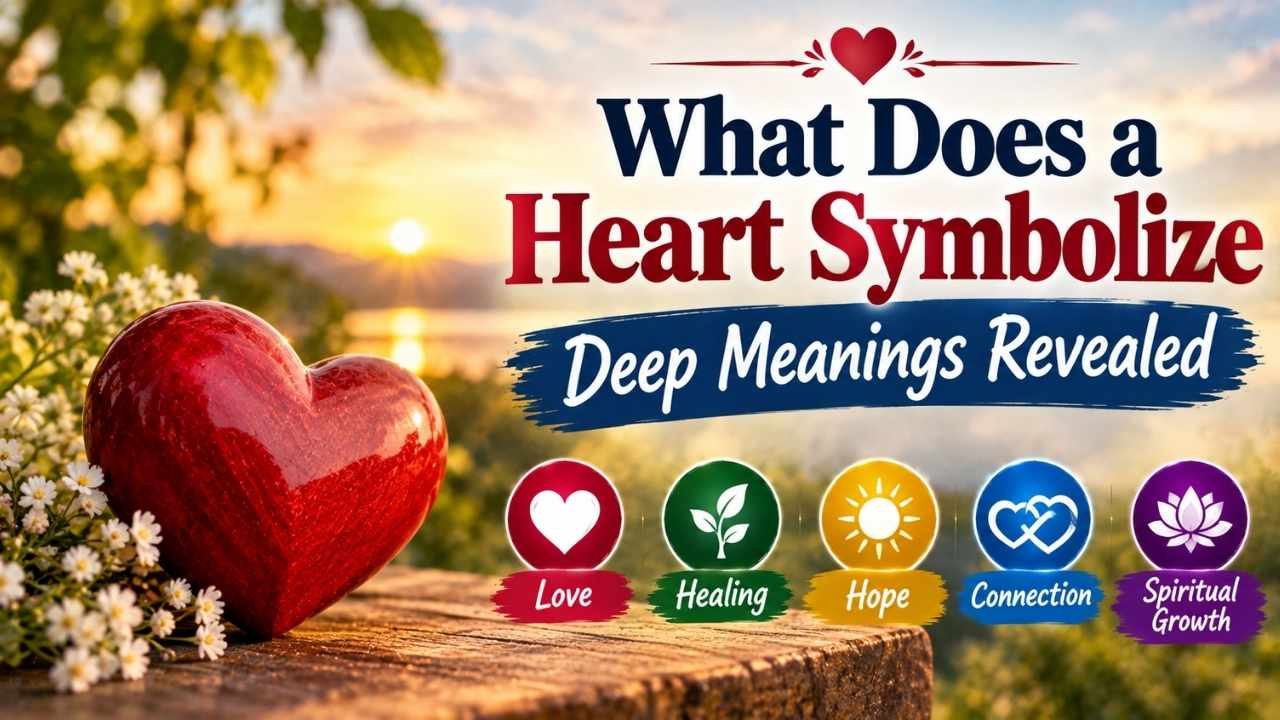
The heart Symbolize is one of the most recognized images in the world, but its meaning goes far beyond romance. While many people see it as a symbol of love, the deeper heart symbolism includes compassion, devotion, emotional connection, courage, faith, and spiritual wisdom. Across cultures, religions, and traditions, the heart has been viewed as a powerful representation of both human emotions and the soul.
Understanding the meaning of the heart symbol can reveal fascinating insights into history, spirituality, and personal growth. From ancient civilizations to modern times, the heart symbol meaning has evolved while continuing to represent affection, kindness, healing, and human connection.
Whether you are curious about the spiritual meaning of a heart, its cultural significance, or why it became a universal symbol of love, this guide explores everything you need to know about heart symbolism and what the heart truly represents.
Quick Answer
A heart symbol represents love, compassion, devotion, emotional truth, and human connection. Across different cultures and religions, the meaning of the heart symbol extends beyond romance to include faith, courage, kindness, healing, and spiritual wisdom. Many people also associate heart symbolism with the soul, inner feelings, and the ability to give and receive unconditional love. Whether seen in art, jewelry, dreams, or spiritual traditions, the heart remains a powerful symbol of affection, empathy, and emotional strength.
The Core Meaning of Heart Symbolism
The symbolic meaning of a heart centers on the emotions that connect people to one another. For centuries, the heart has represented love, affection, loyalty, compassion, and devotion. It is often viewed as the place where feelings, desires, and personal truths reside.
Beyond romantic relationships, heart symbolism reflects friendship, family bonds, kindness, and empathy. It reminds us of the importance of caring for others and maintaining meaningful relationships. Because the heart is connected to both emotional and spiritual experiences, it has become a universal symbol understood across cultures and generations.
Why Is the Heart a Universal Symbol of Love?
The heart became a symbol of love because people have long connected strong emotions with the physical sensation of the heart beating faster. Ancient cultures believed the heart was the center of human emotions and the source of affection and passion.
Over time, artists, writers, and religious traditions reinforced this connection. Today, the heart symbol meaning is recognized worldwide as a representation of romance, devotion, and emotional connection. Whether shown on greeting cards, jewelry, or digital messages, the heart continues to express feelings that words sometimes cannot fully capture.
The Spiritual Meaning of the Heart
The spiritual meaning of a heart goes beyond emotions. Many spiritual traditions see the heart as the center of the soul, wisdom, and inner truth. It symbolizes the ability to connect with higher consciousness, practice compassion, and experience unconditional love.
Symbol of the Soul
Many cultures believe the heart reflects a person’s true nature. As a symbol of the soul, it represents authenticity, moral character, and spiritual growth. The heart reminds people to live with honesty and kindness.
Divine Love and Compassion
Spiritually, the heart often represents divine love, forgiveness, and compassion. It encourages empathy and understanding, helping people build stronger connections with others while nurturing emotional healing.
Inner Wisdom and Intuition
The heart is frequently linked to intuition and inner guidance. Many people believe that listening to the heart helps them make decisions that align with their values and deepest truths.
Heart Symbolism Throughout History
The history of the heart symbol stretches back thousands of years. Although the modern heart shape does not resemble the actual human heart, it gradually became a powerful symbol of emotion and affection.
Ancient Egypt
In Ancient Egypt, the heart was considered the center of intelligence, memory, and morality. Egyptians believed it played a crucial role in the afterlife and spiritual judgment.
Ancient Greece and Rome
Greek and Roman thinkers viewed the heart as an important source of human thought and emotion. Philosophers often associated it with courage, passion, and personal identity.
Medieval Europe
During the Middle Ages, artists began depicting the heart in a shape closer to the symbol we recognize today. It became strongly connected to courtly love, romance, and devotion.
Modern Interpretations
Today, the heart symbolizes everything from romantic love to emotional wellness, self-love, friendship, and spiritual connection.
Heart Symbolism in Different Cultures
Although the heart is a universal symbol, different cultures interpret it in unique ways.
Western Traditions
In Western cultures, the heart is most commonly associated with love, affection, romance, and emotional openness. It often appears in art, literature, and celebrations like Valentine’s Day.
Eastern Traditions
Many Eastern traditions view the heart as the center of consciousness, wisdom, and spiritual balance. It is often linked to harmony between the mind, body, and spirit.
Indigenous Beliefs
Various Indigenous cultures see the heart as a symbol of community, respect, gratitude, and the interconnectedness of all living things.
Religious Meaning of the Heart Symbol
Religion has played an important role in shaping the spiritual significance of the heart.
Heart Symbolism in Christianity
In Christianity, the heart often represents faith, love, devotion, and one’s relationship with God. It symbolizes both compassion and spiritual commitment.
Heart Symbolism in the Bible
The Bible frequently refers to the heart as the center of thoughts, intentions, and moral character. It represents sincerity, wisdom, and spiritual understanding.
Heart Symbolism in Islam
In Islamic teachings, the heart is viewed as a spiritual center connected to faith, knowledge, and awareness of the divine.
Heart Chakra Symbolism and Spiritual Awakening
The heart chakra symbolism is closely connected to love, compassion, forgiveness, and emotional balance. Located in the center of the chest, the heart chakra is believed to bridge physical and spiritual energies.
When balanced, it encourages kindness, empathy, trust, and healthy relationships. Many people associate an open heart chakra with personal growth, emotional healing, and spiritual awakening. It serves as a reminder to love both yourself and others while maintaining harmony in your life.
Different Heart Symbols and Their Meanings
Heart symbols appear in many forms, each carrying a unique message.
Red Heart
The red heart symbolizes romantic love, passion, affection, and emotional connection.
Broken Heart
A broken heart represents grief, emotional pain, loss, and personal healing after difficult experiences.
Sacred Heart
The Sacred Heart symbolizes divine love, sacrifice, compassion, and spiritual devotion.
Winged Heart
A winged heart often represents freedom, spiritual elevation, and the connection between love and the soul.
Flaming Heart
The flaming heart symbolizes intense passion, spiritual energy, transformation, and enduring devotion.
What Does an Anatomical Heart Symbolize?
Unlike the traditional heart shape, the anatomical heart represents the real human organ. Its symbolism often focuses on life, strength, resilience, authenticity, and human nature. Many people view it as a reminder that life is both beautiful and fragile.
The anatomical heart symbolism also reflects emotional honesty. While the classic heart icon is linked to romance, the anatomical heart represents real experiences, including love, pain, growth, and healing.
In modern art, tattoos, and spiritual discussions, it often symbolizes staying true to yourself and embracing both your strengths and vulnerabilities. This deeper meaning makes the anatomical heart a powerful symbol of personal transformation and emotional truth.
Psychological Meaning of the Heart Symbol
The psychological meaning of the heart symbol is closely connected to emotions, relationships, and personal well-being. People naturally associate the heart with feelings because emotional experiences often create physical sensations within the body.
In psychology, the heart can symbolize trust, vulnerability, empathy, self-love, and emotional intelligence. It represents the ability to understand and manage emotions while building meaningful connections with others.
The heart also reminds people to balance logic with compassion. Although decisions are made by the brain, many people still describe following their heart when making choices based on personal values, intuition, and emotional fulfillment.
Heart Symbolism in Dreams
Dreams involving hearts often carry important emotional or spiritual messages. The heart symbolism in dreams usually reflects relationships, personal feelings, healing, or inner desires.
Seeing a Heart in a Dream
Seeing a heart in a dream often symbolizes love, happiness, emotional balance, or a strong connection with someone important in your life.
Broken Heart Dreams
A broken heart dream may reflect emotional pain, disappointment, unresolved grief, or concerns about a relationship. It can also indicate a need for healing and self-care.
Glowing Heart Dreams
A glowing heart is generally viewed as a positive symbol. It may represent spiritual growth, emotional healing, inner peace, or a deeper connection to your true self.
What Does It Mean to Keep Seeing Heart Symbols?
Many people wonder what it means when they keep noticing hearts in everyday life. Spiritually, seeing heart symbols repeatedly may be viewed as a reminder to focus on love, compassion, gratitude, and emotional awareness.
Some believe these experiences are signs encouraging them to strengthen relationships or open themselves to new opportunities for connection. Others see them as symbols of emotional healing or personal growth.
While interpretations vary, repeatedly seeing heart symbols often encourages people to pay attention to their feelings and nurture positive relationships. It can also serve as a gentle reminder to practice self-love and kindness.
Heart Tattoo Symbolism
A heart tattoo meaning can vary depending on its design and personal significance. In general, heart tattoos symbolize love, devotion, emotional strength, and important life experiences.
Some people choose heart tattoos to honor a loved one, celebrate a meaningful relationship, or represent personal growth. A broken heart tattoo may symbolize recovery after hardship, while a Sacred Heart tattoo often reflects faith and spiritual devotion.
Anatomical heart tattoos are frequently associated with authenticity and resilience. Because heart tattoos carry both emotional and spiritual meanings, they remain one of the most popular tattoo designs around the world.
Heart Symbolism by Color
The color of a heart can change its symbolic meaning. Different colors are often used to express specific emotions and intentions.
Red Heart
The red heart symbolism is strongly associated with romantic love, passion, affection, and deep emotional bonds.
Pink Heart
A pink heart represents tenderness, sweetness, friendship, admiration, and gentle affection.
White Heart
The white heart symbolizes purity, innocence, peace, sincerity, and spiritual love.
Black Heart
A black heart can represent grief, loss, emotional strength, mystery, or personal transformation.
Green Heart
The green heart is associated with growth, renewal, healing, harmony, and a connection to nature.
Purple Heart
A purple heart symbolizes compassion, wisdom, creativity, spiritual awareness, and inner growth.
Common Misconceptions About the Heart Symbol
One common misconception is that the heart symbol only represents romantic love. In reality, its meaning is much broader and includes compassion, friendship, faith, courage, healing, and emotional connection.
Another misconception is that the heart symbol has always looked the same throughout history. The modern heart shape evolved over centuries and was influenced by artistic and cultural traditions.
Some people also assume the heart only has emotional significance, but many cultures and religions view it as a symbol of the soul, spiritual wisdom, and personal truth. Understanding these deeper meanings reveals why the heart remains one of the world’s most powerful symbols.
FAQs
What does a heart symbolize spiritually?
The heart spiritually symbolizes divine love, compassion, inner wisdom, emotional healing, and soul connection. Many traditions view it as the center of spiritual awareness and personal growth.
Why is the heart a symbol of love?
The heart became associated with love because people have long connected strong emotions with the physical sensations of the heart. Over time, it evolved into a universal symbol of affection and devotion.
What does a broken heart symbolize?
A broken heart symbolizes emotional pain, grief, loss, disappointment, and the healing process that follows difficult experiences.
What does the Sacred Heart symbolize?
The Sacred Heart symbolizes divine love, sacrifice, mercy, compassion, and spiritual devotion, particularly within Christianity.
What does the heart chakra symbolize?
The heart chakra symbolizes love, forgiveness, empathy, emotional balance, and healthy relationships. It is associated with healing and spiritual growth.
Conclusion
The heart symbol meaning extends far beyond romance. Throughout history, the heart has represented love, compassion, devotion, courage, faith, healing, and human connection. Different cultures, religions, and spiritual traditions have all given unique significance to the heart, yet its core message remains the same.
Whether viewed as a symbol of love, a representation of the soul, or a reminder of emotional truth, the heart continues to inspire people around the world.
From ancient civilizations to modern society, heart symbolism reflects our deepest emotions, relationships, and spiritual experiences. Its timeless meaning reminds us of the importance of kindness, empathy, and the powerful connections that unite us all.